Every year, the EAEA conducts a survey among its members to highlight the development of adult education over the years.
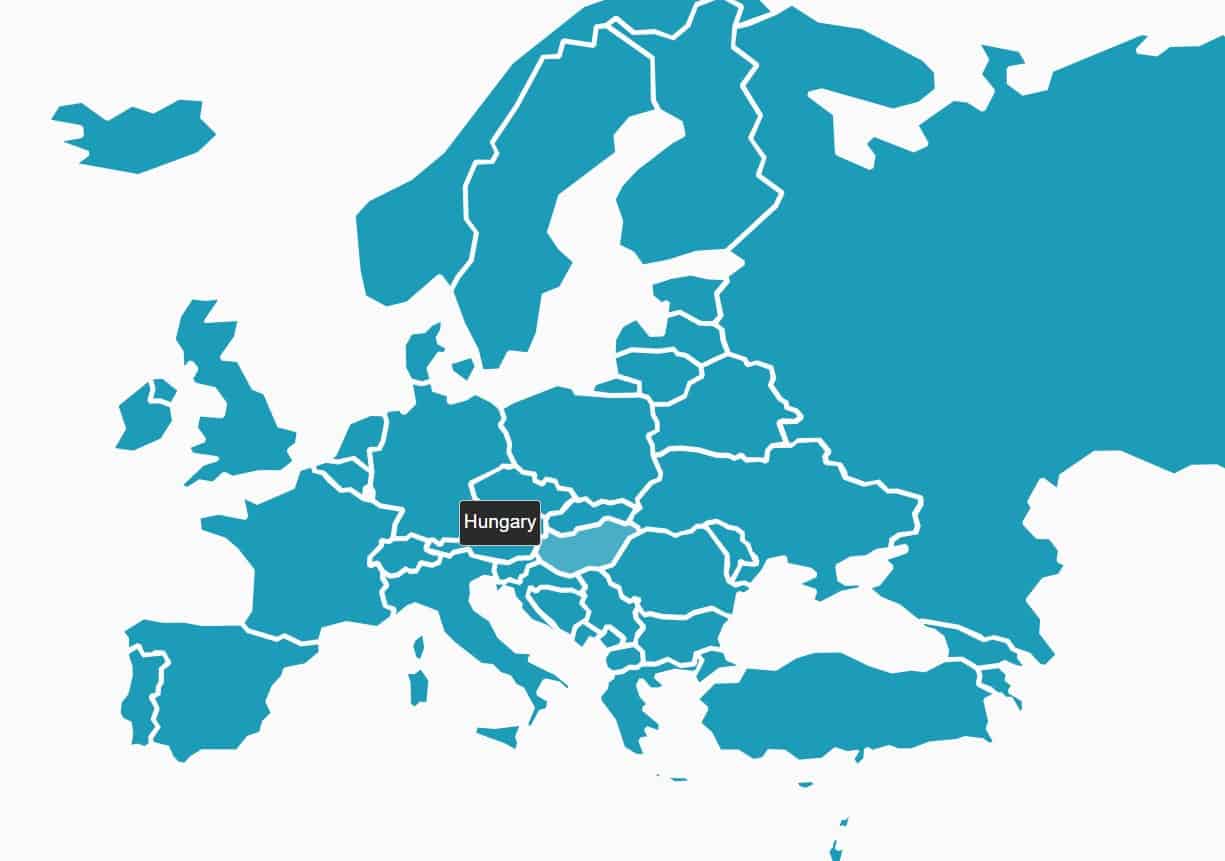
Based on a survey of 15 EAEA member organisations, this new edition of the EAEA Country Reports presents policy measures, funding challenges and trends in adult education across 12 countries: Austria, Belgium, Finland, Germany, Hungary, Ireland, Portugal, Slovenia, Sweden, Switzerland, Turkey and the United Kingdom.
The survey covered questions such as members’ views on the current focus on skills in European continuing education policy, the use of artificial intelligence in adult education, the involvement of learners and civil society organisations in policy and decision-making, and the funding situation for adult education.
Key points from the EAEA country reports 2024/25:
- National adult education policies follow the European trend and focus primarily on the needs of the labour market and employment.
- AI is integrated in some form by two thirds of organisations: as part of teaching and learning, as a valuable professional skill, or to support administrative tasks. The remaining 33 per cent are still uncertain due to the risks associated with the use of AI, such as ethical concerns.
- Civil society organisations in the field of adult education continue to advocate for a say in political decision-making processes, whilst adult learners generally have little opportunity to influence policy-making.
- Funding is a dominant issue in adult education at both national and European level, leading to a variety of problems, including a lack of access to educational provision for many adults.
Just over half of the respondents said that the funding situation in their country had got worse. About a third said it hadn’t changed, and about one-sixth said it had improved a bit.
N.b.: the responses regarding the state of adult education reflect the views of the member organisations and are therefore not based on scientific research. The situation in different countries cannot be compared on the basis of this data.