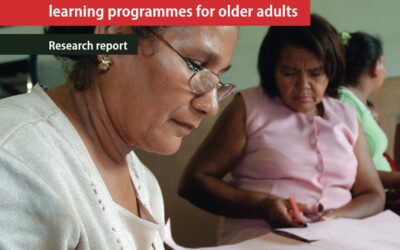
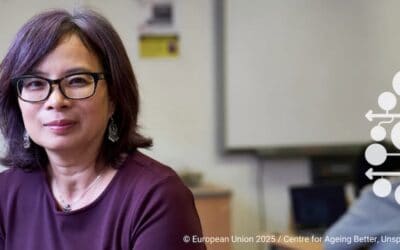
Continuing education programmes for older adults are often unaffordable or inaccessible for other reasons. This is revealed in a UNESCO study on reskilling and upskilling programmes – which also offers suggestions for improvement.
adult learners
RESCALE Labs up and running
The European RESCALE learning model, designed to re-/upskill low-skilled adults, is currently being piloted in seven countries.
Transformative learning throughout life: a guiding principle
Transformative learning helps adults rethink assumptions, grow with change and redefine themselves. Discover why it matters now more than ever on EPALE.
Innovation in reskilling workforce: RESCALE project launches its pilot!
The European initiative RESCALE lays the foundation for a groundbreaking approach to upskilling and reskilling adults with low basic skills through specialised Reskilling Labs, designed to facilitate learning in the context of the green and digital transitions.
Reskilling Labs: Advancing EU Policies toward Sustainability
Reskilling vulnerable adults for the green and digital transition—discover how the RESCALE project brings EU policies to life via innovative Reskilling Labs.
International Adult Educators’ Day – 24 January 2026
“Learning that Connects”
Adult skills and competences: a human-centred approach
Forming adult learning is influenced greatly by what definitions we use for skills and competences. Read our blog that takes a human-centred view.
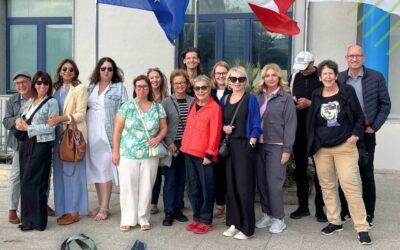
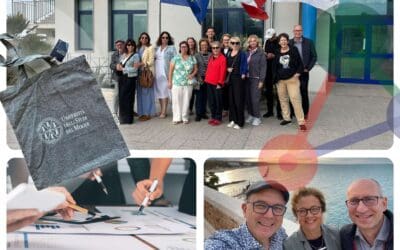
RESCALE Project Enters Pilot Phase with Successful Meeting in Italy
The RESCALE project has entered its pilot phase: the Reskilling Labs are testing new, personalized upskilling and reskilling models to support the green and digital transitions, with a special focus on adult learners with low basic skills.
AI for Inclusion: Opportunities for Low-Skilled Learners
Can AI close the skills gap – or widen it? Discover how digital disruption can be turned into an opportunity for all.
PIAAC demands action: basic skills to tackle inequalities
This post explores the implications of the PIAAC findings, highlights European responses, and calls for translating evidence into practice.